
Key Takeaway
What Does a Smile Makeover Actually Involve?
- A smile makeover starts with a consultation, not a procedure. Dr. Carlton evaluates bite, gum health, and goals before recommending any treatment.
- The plan is built around the individual. Two patients can want the same general result and end up with completely different combinations of crowns, bonding, whitening, or gum recontouring.
- Trial smiles let patients preview their results before anything permanent happens, reducing guesswork and surprises.
- Whitening usually comes last, not first, since brightening teeth that still need bonding or crowns can create an uneven shade match.
Personalized Smile Design Starts With a Conversation, not a Procedure.
Most people picture a single appointment when they hear the words smile makeover. One visit, one fix, done. That is not really how it works, and honestly, it is probably better that it does not. A real smile makeover in Natchez, MS starts long before any dental work happens. It starts with a conversation. Dr. Carlton sits down with the patient, looks at the whole picture, and asks what they actually want their smile to do for them. Sounds simple. It is not always simple, but it works.
Here is the thing about cosmetic dentistry in general, and Natchez patients run into this a lot: there is no shortage of options. Veneers, bonding, whitening, crowns, gum recontouring. Pick one and you might fix part of the problem while leaving the rest untouched. Pick the wrong combination and you might end up with a smile that looks fine in photos but feels wrong every time you talk or laugh. That mismatch happens more than people think, and it is almost always because the smile makeover planning stage got skipped or rushed.
What follows walks through what actually happens during a smile makeover consultation at Carlton Family and Cosmetic Dentistry, why the plan comes before the procedure, and which tools tend to show up in a well-built smile makeover plan. None of this is about selling one specific service.
What Happens at a Cosmetic Dental Consultation
A cosmetic dental consultation is not a sales pitch. Or at least it should not be one. The first visit is mostly about listening. Dr. Carlton will ask what the patient likes about their current smile, what bothers them, and what changes they have in mind. Sometimes patients show up with a photo on their phone of a smile they admire. Sometimes they just know something feels off but cannot quite name it. Both are fine starting points.
From there, the exam gets more clinical. Digital X-rays, a look at gum health, an assessment of bite alignment, and a close inspection of existing dental work all factor into the plan. A smile makeover is not purely cosmetic, even though the word makes it sound that way. Tooth function, jaw alignment, and gum health all influence which cosmetic options are realistic and which ones would create problems down the road.
Patients often ask how long this first step takes. Longer than a routine cleaning, that much is certain. The American Dental Association notes that clinical guidelines exist precisely to help dentists weigh imaging, materials, and treatment timing against each patient’s individual situation rather than applying a one-size-fits-all routine (ada.org). That same logic applies directly to smile makeover planning, even though whitening and veneers are not exactly emergencies.
I think the consultation matters more than most patients expect going in. A rushed plan tends to produce a rushed result. Dr. Carlton’s approach treats this first conversation as the foundation the rest of the work sits on, not a formality to get through before the “real” treatment begins.
Why Smile Design Is Personal, Not One-Size-Fits-All
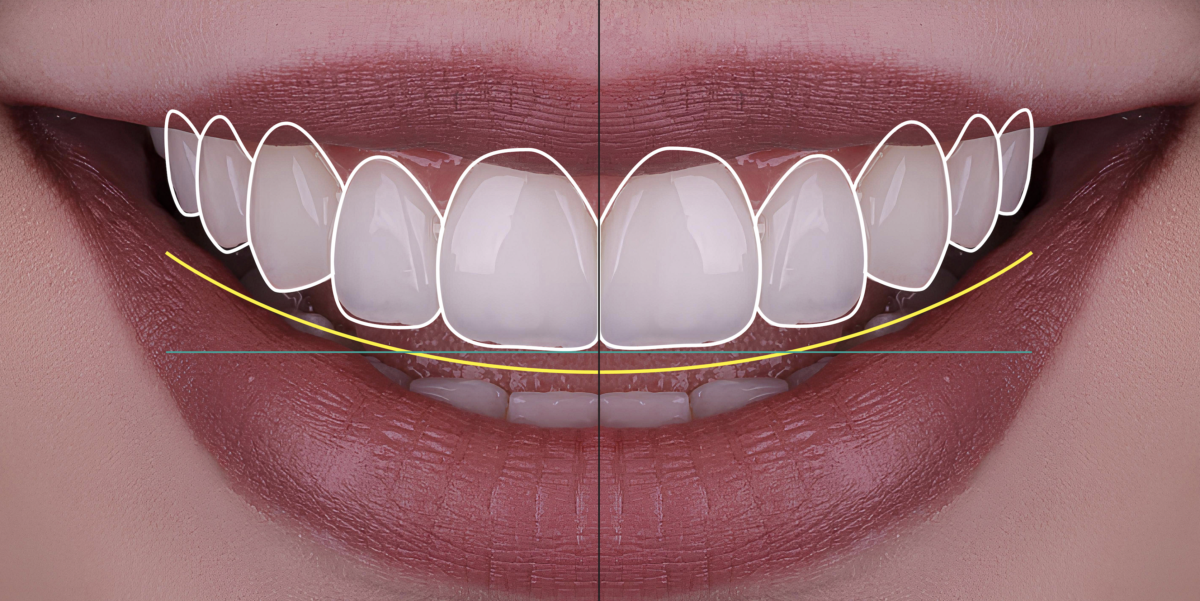
Here is where smile design comes in, and it is probably the most misunderstood part of any smile makeover. Smile design is not picking a shade of white from a chart or choosing veneers because a friend got them. It means looking at someone’s facial structure, lip line, tooth proportions, and even how they speak and smile naturally, then building a plan around that specific person.
Two patients can walk in wanting the exact same outcome, roughly speaking, “a brighter, more even smile,” and walk out with completely different treatment plans. One might need whitening and a little bonding to even out a chipped edge. The other might need crowns on a few teeth because of wear patterns that whitening alone cannot fix. Neither plan is more or less of a smile makeover than the other. They are just built for different mouths and different goals.
Patient-centered planning is not just a buzzword in dentistry circles. Research on shared decision-making in healthcare settings has found that involving patients directly in choosing among treatment options tends to improve satisfaction and adherence to the chosen plan (PMC, NIH). That tracks with what shows up in practice. Patients who understand why a particular combination of treatments was chosen for them tend to feel more confident about the result, and frankly, more at ease throughout the process.
None of this means the process is slow for the sake of being slow. It means the sequence matters: understand the person first, then design the smile, then choose the tools to get there. Skipping ahead to the tools first is how mismatched results happen.
The Tools Used to Build a Smile Makeover Plan
Once the plan takes shape, a handful of treatments tend to come up again and again in a smile makeover. None of these are exotic. What makes the difference is how they get combined.
Crowns cover teeth that are worn, weakened, or oddly shaped, restoring both strength and appearance in one step. Bonding fixes smaller issues, chips, gaps, slight discoloration, using tooth-colored composite that blends in well when done carefully. Teeth whitening brightens the overall shade and is often the finishing touch rather than the starting point, since whitening teeth that still need bonding or crowns can create a mismatch between treated and untreated areas. Gum recontouring reshapes the gumline when teeth look too short or uneven because of how much gum tissue covers them, which surprises a lot of patients who assumed the issue was with their teeth alone.
Trial smiles, sometimes called mock-ups, let patients preview a proposed smile makeover result before committing to permanent changes. This step has become more common in cosmetic dentistry Natchez patients ask about, and for good reason. Seeing an approximation of the final result, even a rough one, helps patients weigh in on shape and proportion before anything irreversible happens. It also gives Dr. Carlton a chance to adjust the plan based on real feedback rather than guessing what the patient pictures in their head.
Communication during this stage matters as much as the procedures themselves. A review of dental communication practices found that clear, jargon-free explanations of treatment options build trust and reduce the anxiety many patients feel before cosmetic or restorative work (PMC, NIH). That is a big part of why the consultation and trial-smile steps exist before any drilling or bonding begins. Patients should understand what is happening to their teeth and why, not just nod along.
Why Natchez Patients Are Choosing Comprehensive Smile Makeovers Over Single Procedures
There has been a noticeable shift toward comprehensive planning rather than picking one isolated procedure. Maybe it is patients doing more research before their first visit, or maybe word has just spread that a single veneer here and a whitening session there does not always add up to the result people actually want. Either way, more cosmetic dentistry Natchez patients are arriving at consultations asking about the full picture rather than requesting a specific treatment by name.
This shift makes sense once you consider how a smile actually functions. Teeth do not exist in isolation from each other, from the gums, or from the bite. A whole-mouth approach accounts for how each treatment affects the next one, which is exactly why the planning conversation happens before any tools get chosen. The National Institute of Dental and Craniofacial Research has emphasized that oral health outcomes improve when treatment accounts for the relationship between different aspects of a patient’s dental and craniofacial structure, not just the symptom in front of them (NIDCR).
Patient satisfaction research backs this up too. A review of patient satisfaction in dental care found that satisfaction tends to depend heavily on how well patients understood their treatment and felt involved in decisions about it, not just the technical outcome of the procedure itself (PMC, NIH). A comprehensive plan, explained clearly from the start, tends to produce patients who feel good about their results and understand why each piece was included.
So what does this mean for someone considering a smile makeover in Natchez right now? Probably this: walking in with an open mind about the process, rather than a fixed idea of exactly which procedure to request, tends to lead to a better outcome. The plan should fit the smile, not the other way around.
Start With the Conversation, Not the Procedure
A smile makeover is not a single appointment, and it is not a single product off a menu. It is a plan built around one specific person’s teeth, gums, bite, and goals. Crowns, bonding, whitening, gum recontouring, and trial smiles all have their place, but the order and combination depend entirely on the conversation that happens first.
Patients in Natchez considering a smile makeover can start by booking a cosmetic dental consultation with Dr. Carlton. Take a look at the full range of services offered, browse real results in the before-and-after gallery, or reach out through the contact page to schedule a visit.
Frequently Asked Questions
How long does a smile makeover take from start to finish?
It depends entirely on what the plan includes. A makeover built around whitening and bonding might wrap up in a few visits. One that includes crowns or gum recontouring takes longer, since each step needs time to heal and settle before the next one happens. Dr. Carlton will lay out a realistic timeline during the consultation, once the actual plan is in place.
Is a smile makeover the same thing as veneers?
Not necessarily. Veneers are one tool among several, not the definition of a smile makeover. Some patients need them, some do not. The plan might lean on bonding, whitening, crowns, or some combination instead, depending on what the teeth and gums actually need.
Do I need to know exactly what I want before scheduling a consultation?
No. Most patients show up with a general sense of what bothers them, not a specific treatment request. That is the point of the consultation. Dr. Carlton helps translate “I don’t love my smile” into an actual plan.
Will I see what my new smile looks like before any permanent work is done?
In many cases, yes. Trial smiles, or mock-ups, give patients a preview of the proposed result before committing to anything irreversible. It is a useful way to weigh in on shape and proportion ahead of time.